Key Takeaways
- For most local businesses, Google reviews matter more because they feed Search, Maps and AI-generated answers.
- Yelp still carries weight in categories such as restaurants and home services, so check where your own customers look.
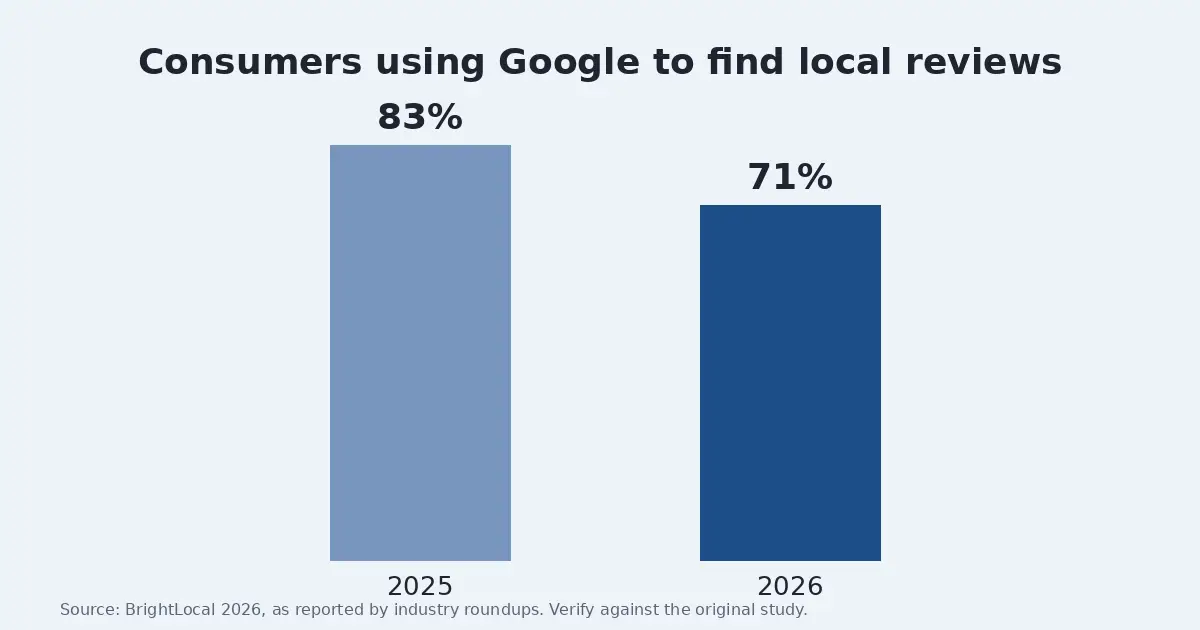
- BrightLocal’s 2026 survey reports that 71% of consumers use Google to find local reviews, down from 83% a year earlier. Reviews are spreading across more places.
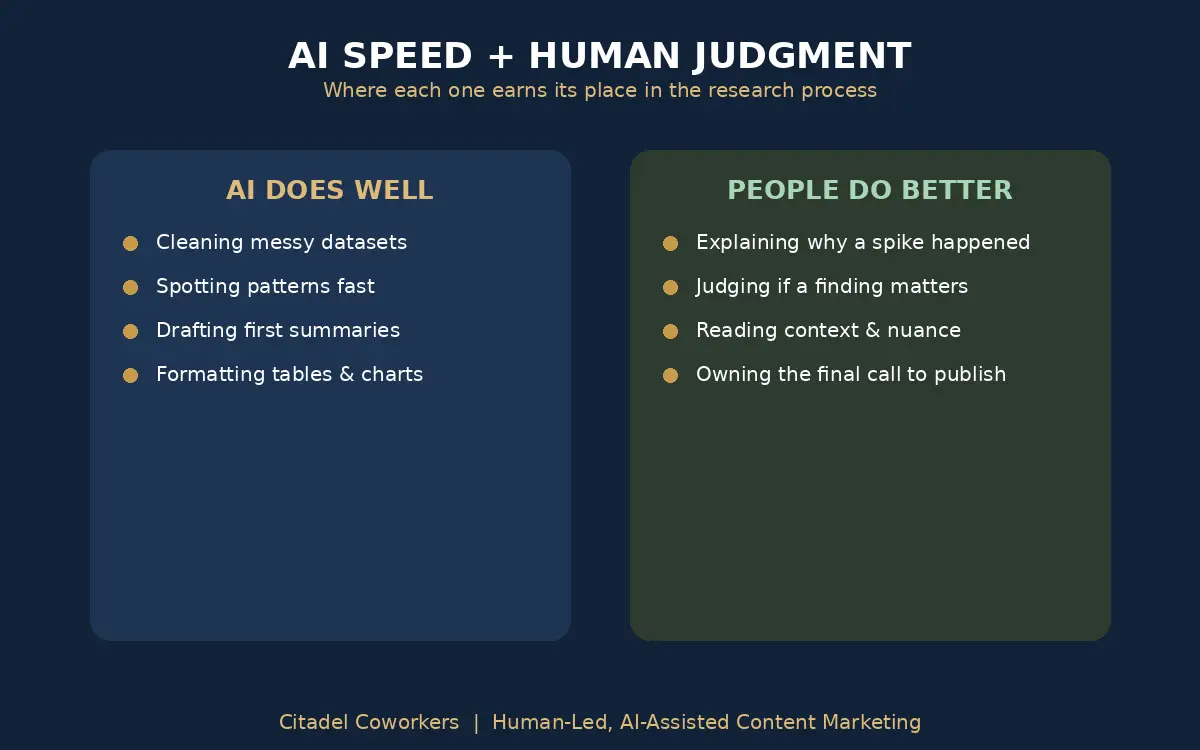
- AI speeds up monitoring and sorting, but fake reviews, tone and disputes need human judgment.
Every local business owner eventually faces the same question: should reviews be earned on Google, on Yelp or on both? Customers read reviews before they ever call, visit or book, so the choice shapes who finds you and who trusts you. Google and Yelp both promise visibility. They do not deliver it in the same way or to the same audience.
This guide compares the two, shows where AI helps and where it misleads and offers a routine you can actually follow.
Google Reviews or Yelp: Which Matters More for Local Businesses
For most local businesses, Google reviews matter more. They appear directly in Google Search and Maps, influence local visibility and account for the largest share of consumer review activity. Yelp matters most for restaurants, home services and similar categories where its audience is active.
“Matters more” depends on your customer, not a universal ranking. A boutique accountancy in a small town may never see a Yelp visitor. A city restaurant may draw a large share of its walk-ins from it. Ask new customers how they found you and let that answer set your priorities.
Why Do Reviews Decide the Sale Before You Say a Word
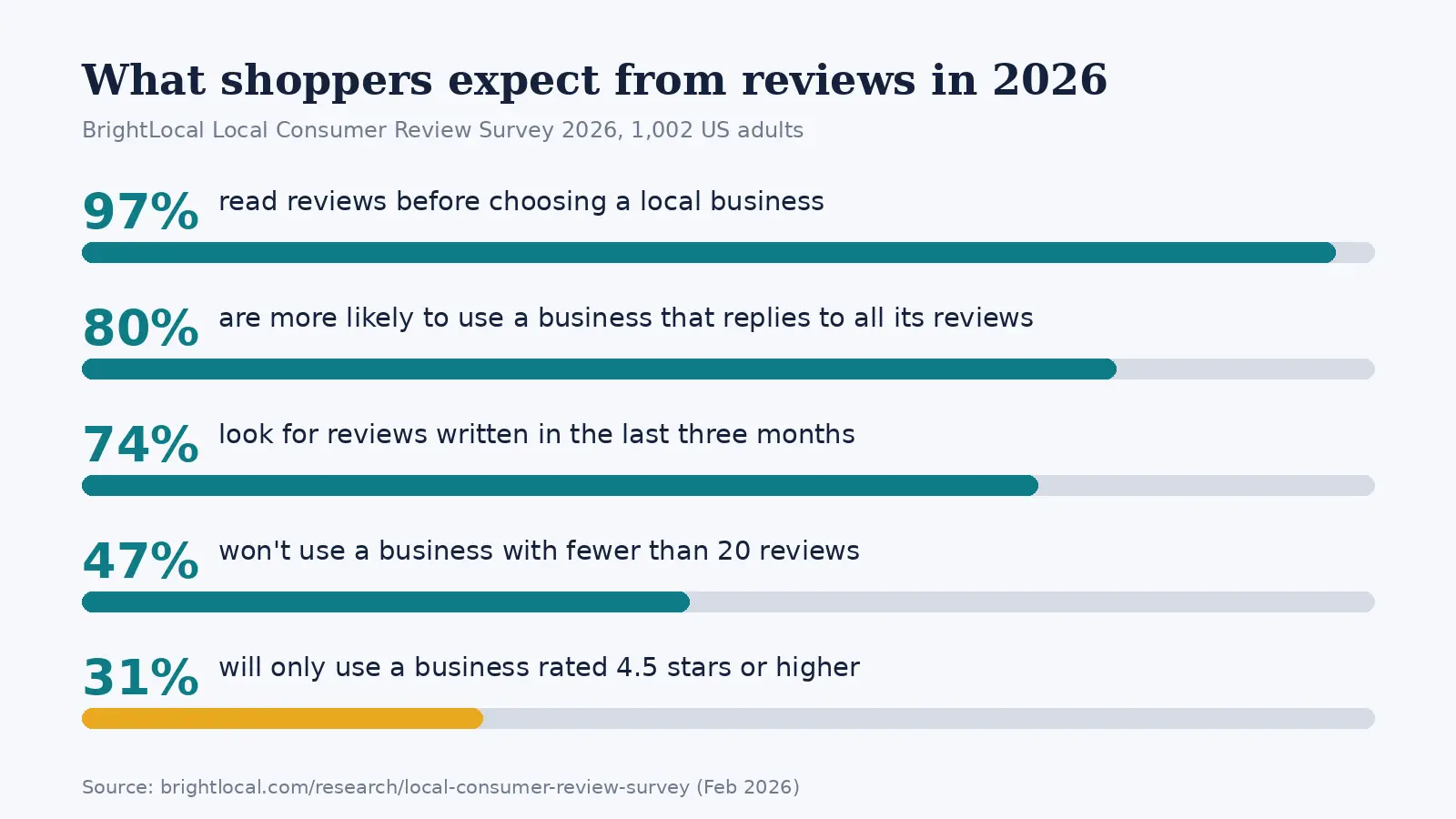
BrightLocal’s 2026 Local Consumer Review Survey, as reported by several industry roundups, found that 41% of consumers now always read reviews before visiting a local business. A year earlier, it was 29%. Reviews are no longer a bonus. They are the first conversation.
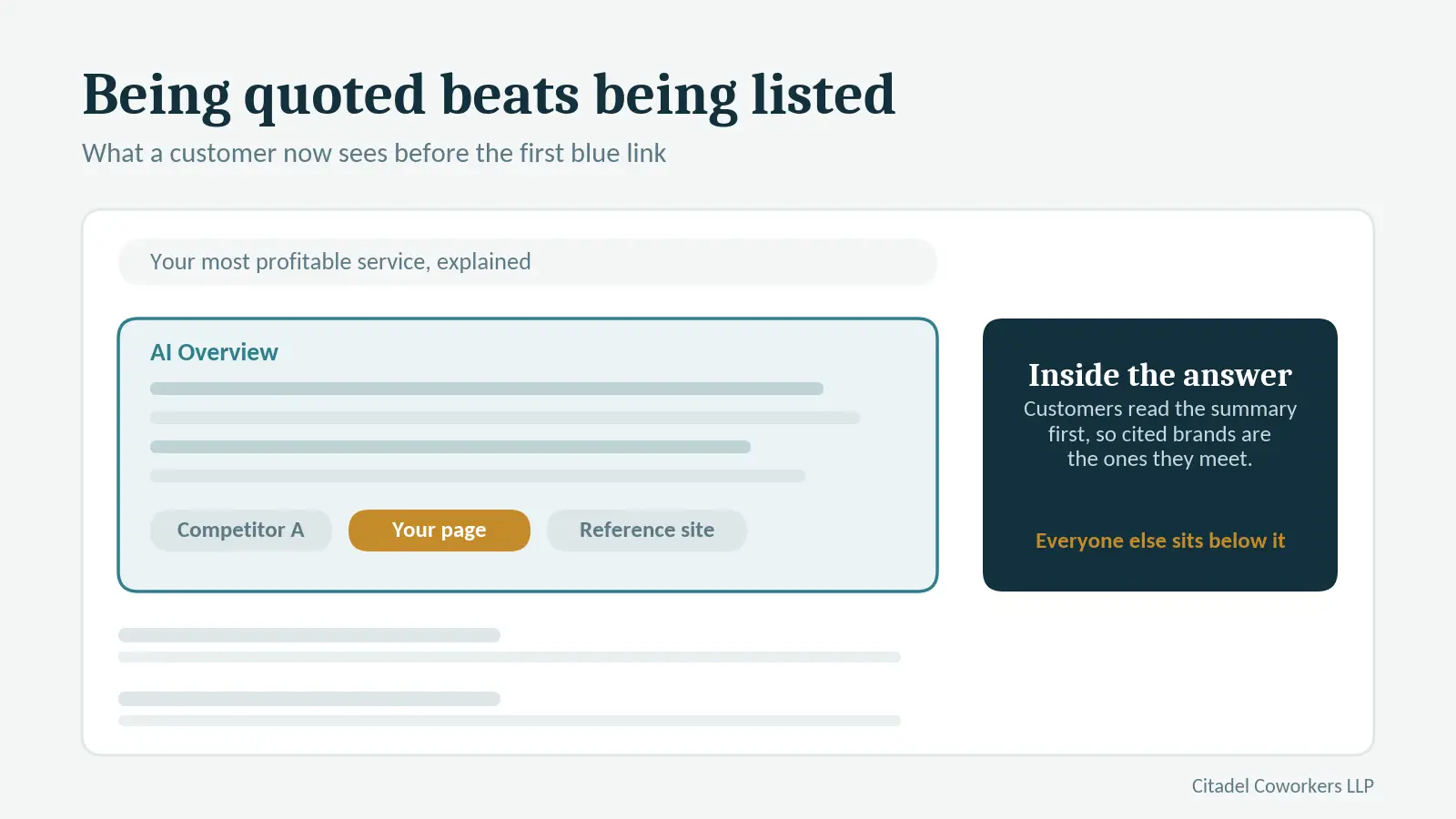
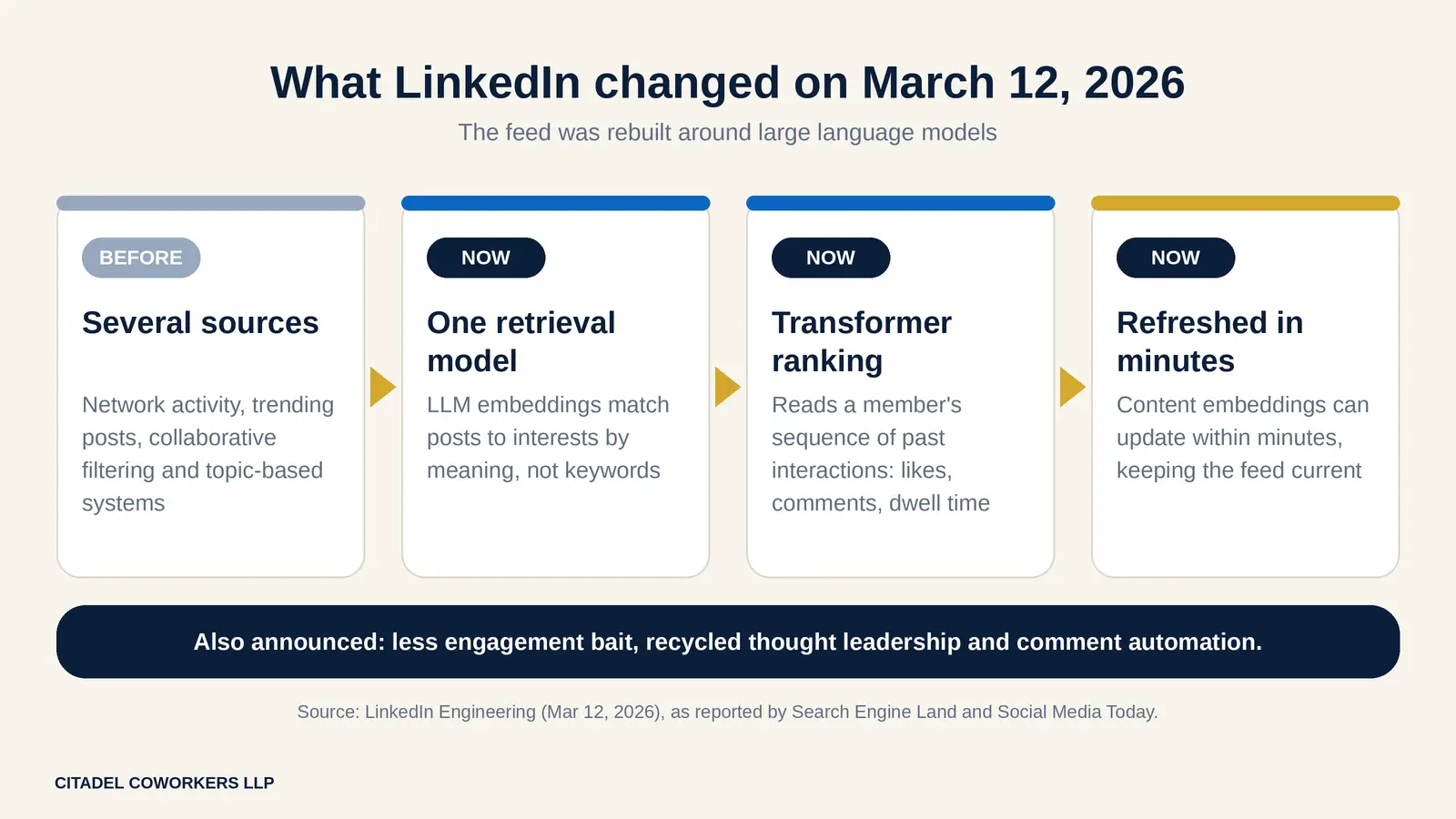
Discovery is shifting too. One report cited in those roundups says 52% of consumers used AI to find a local business in 2026, up from 9% in 2025. We would verify that jump against the original study, but the direction is clear: AI tools now summarise your reviews for people who never visit your profile.
Owners often feel this as a quiet unease: a competitor with fewer years in business suddenly looks more trustworthy online. Rarely is the product worse. More often , the reviews are fresher, the replies warmer and the profile complete.
That is why the platform question matters. Every review you earn is read by a person and, increasingly, by a machine deciding whether to recommend you.
What Does Google Reward That Yelp Does Not
Google has said that review count and score factor into local ranking, alongside relevance and distance. More recent, detailed reviews therefore give you a double benefit: they persuade readers and strengthen your visibility.
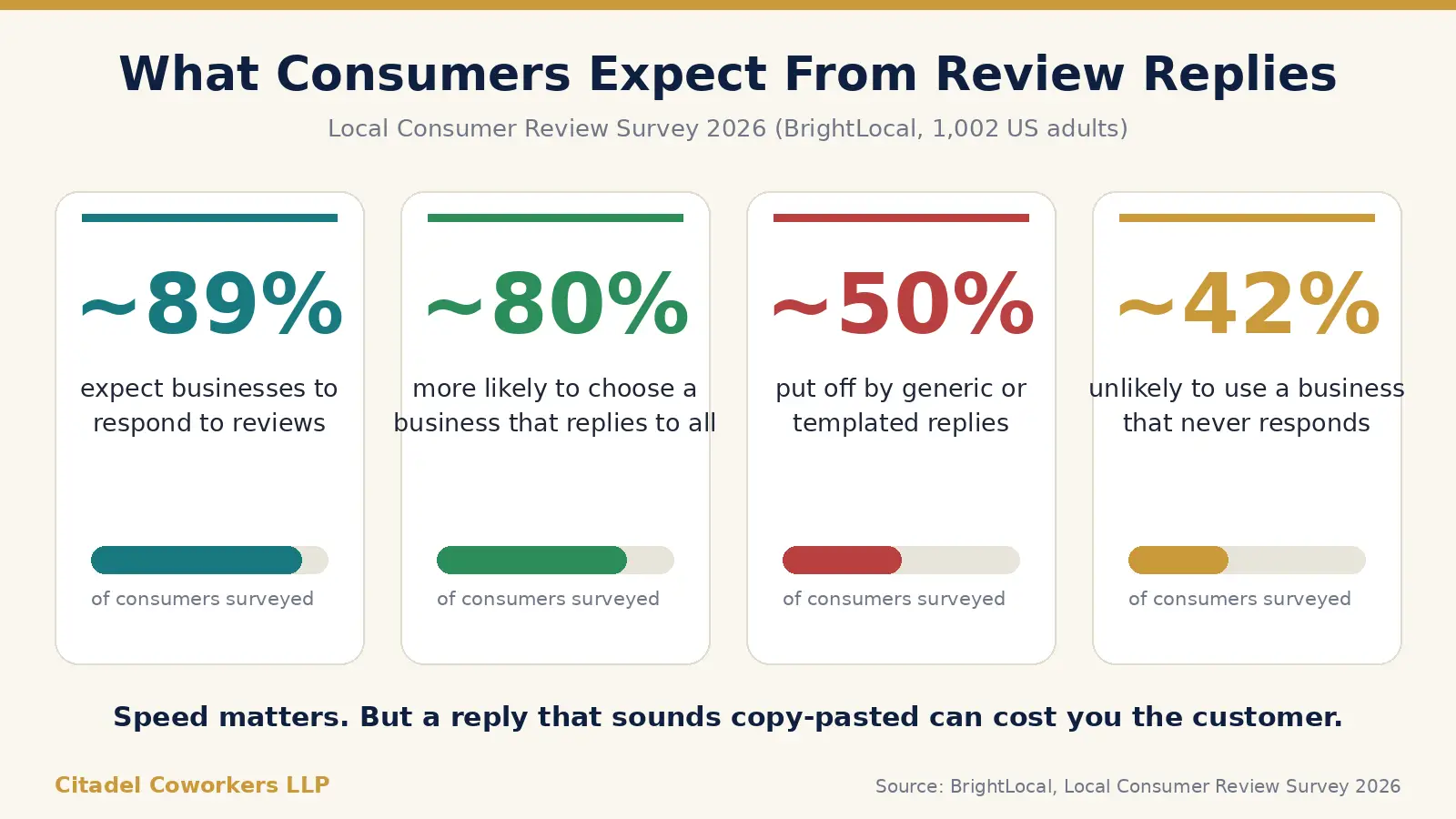
Replies matter as well. One 2026 compilation reports that around 89% of consumers expect owners to respond to reviews. Treat that figure as indicative and check the primary source, but the expectation is well documented across the industry.
Google also polices its platform. It states that it removed or blocked 170 million policy-violating reviews in 2023, which means flagged fakes can be reported and sometimes removed.
Where Does Yelp Still Earn Its Place
Yelp runs recommendation software that filters out reviews it considers less reliable. A glowing note from a first-time reviewer may sit in a “not recommended” section and not count towards your rating. That frustrates owners, but it also makes a strong Yelp rating harder to fake.
Yelp has also long advised businesses not to ask customers for reviews. Check its current guidelines before running any campaign, because the rules differ from Google’s relaxed approach.
If you run a restaurant, salon or repair trade in a dense city, Yelp deserves real attention. If your customers rarely mention it, give it a complete, accurate profile and keep your energy on Google.
How Many Reviews and What Rating Do You Need to Compete
There is no magic number, but benchmarks help. One 2026 local SEO compilation reports that profiles with 40 or more reviews and a 4.5-star average reach the local three-pack far more often than those with fewer than ten. We have not traced that to a primary study, so treat it as directional.
Shoppers also distrust weak ratings. A widely repeated BrightLocal-derived figure says about 71% of consumers avoid businesses rated three stars or lower. Yet a perfect 5.0 can look suspicious. Real businesses collect the occasional imperfect review and a few honest critical ones make the praise believable.
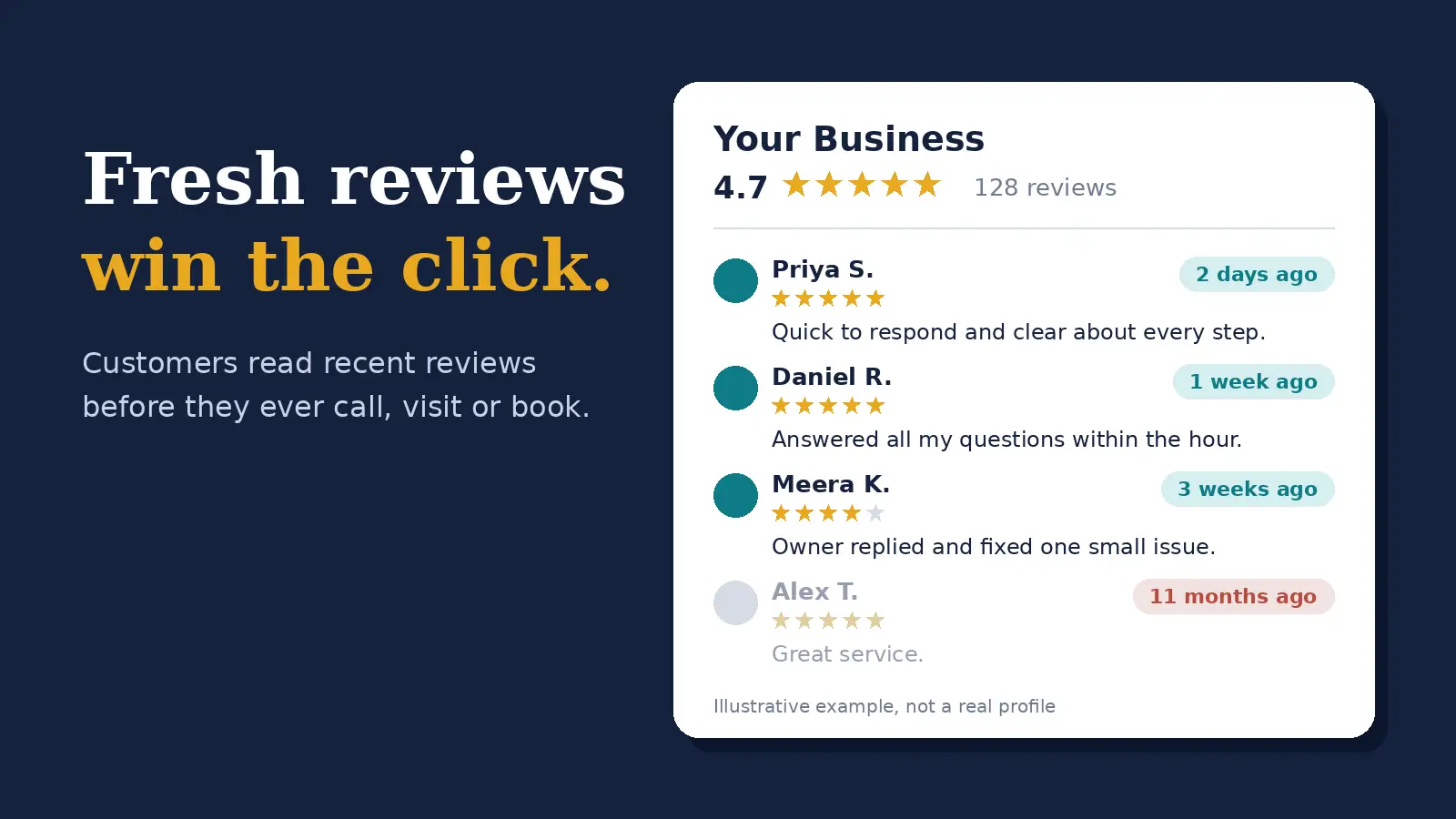
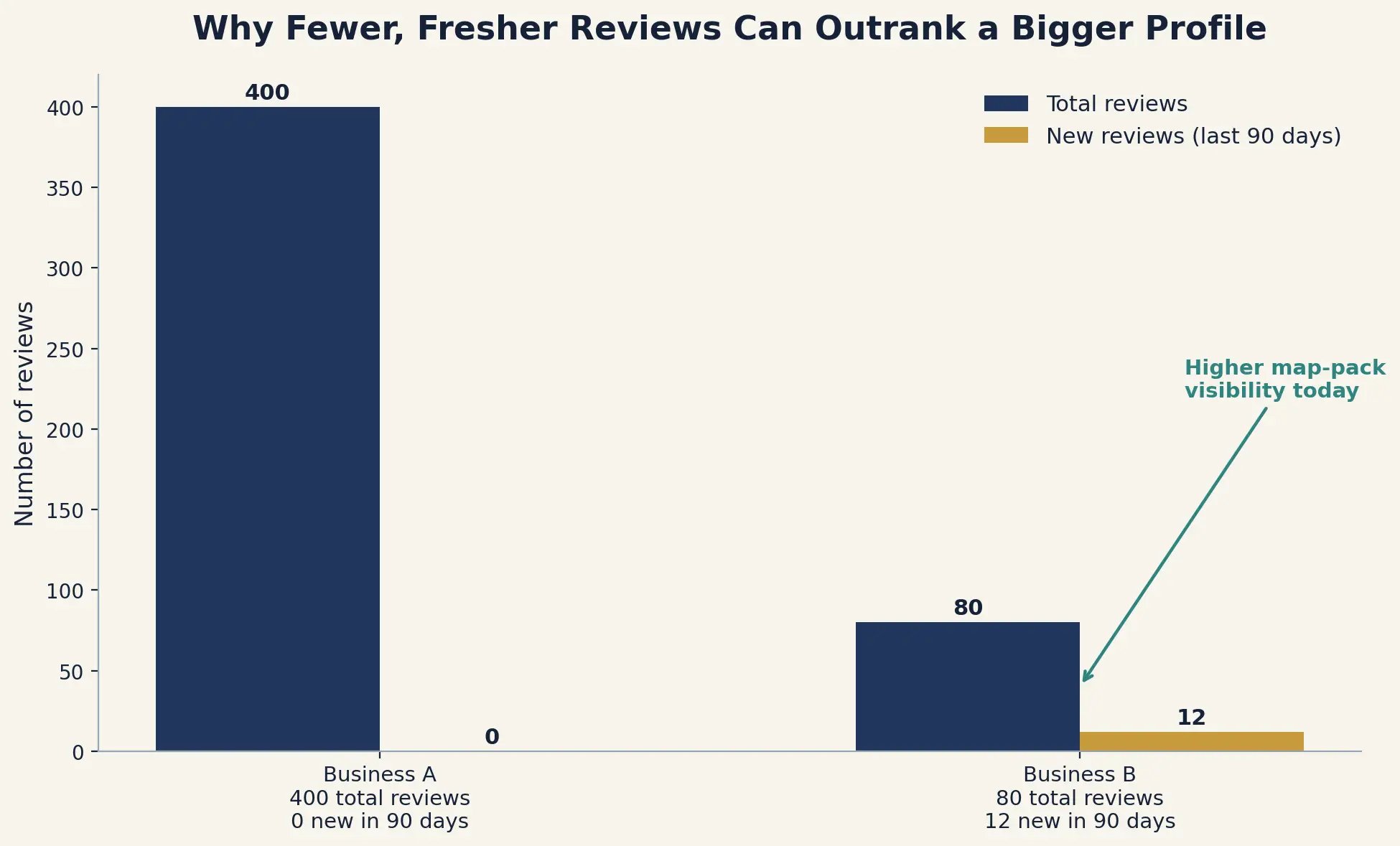
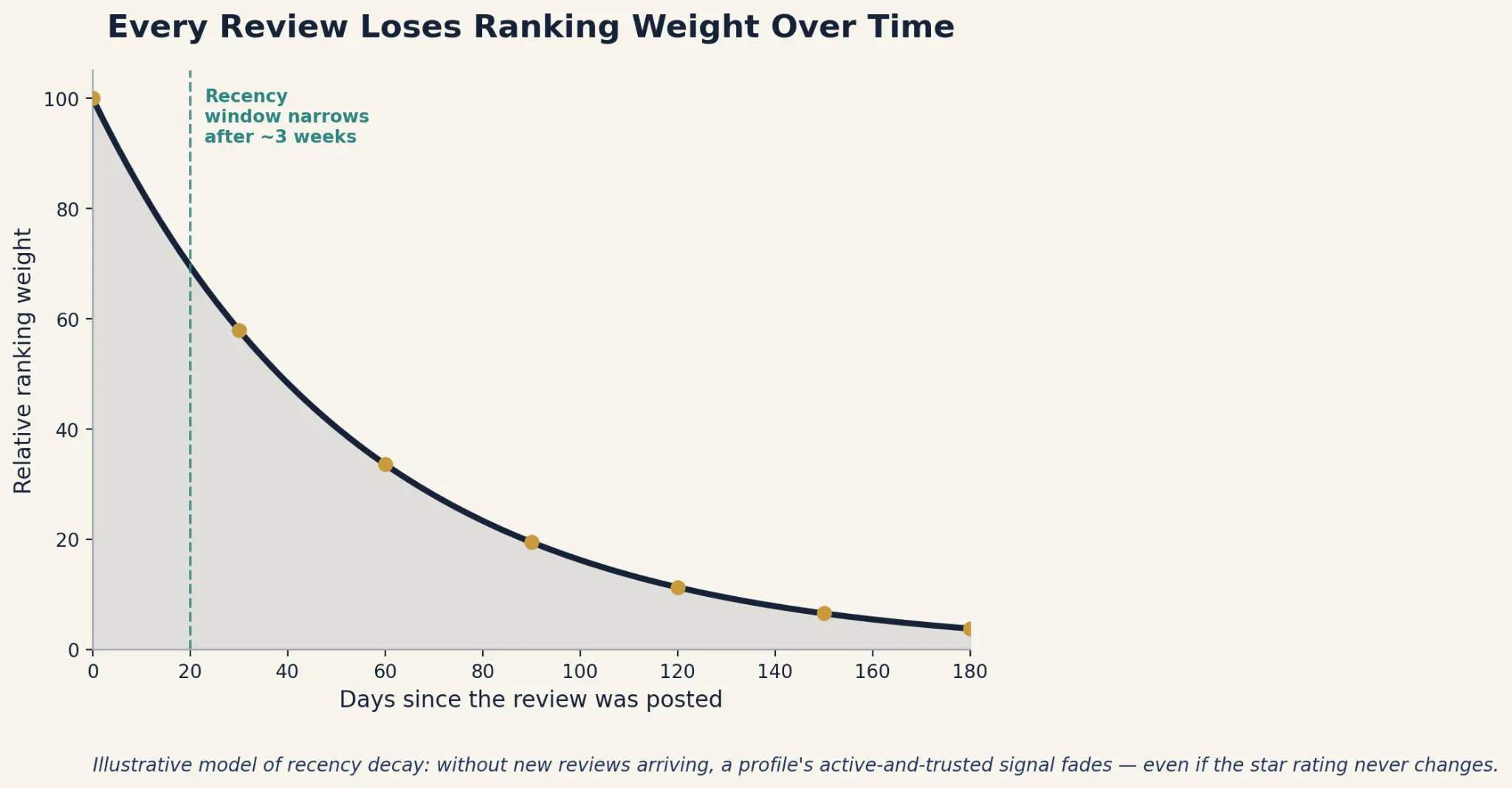
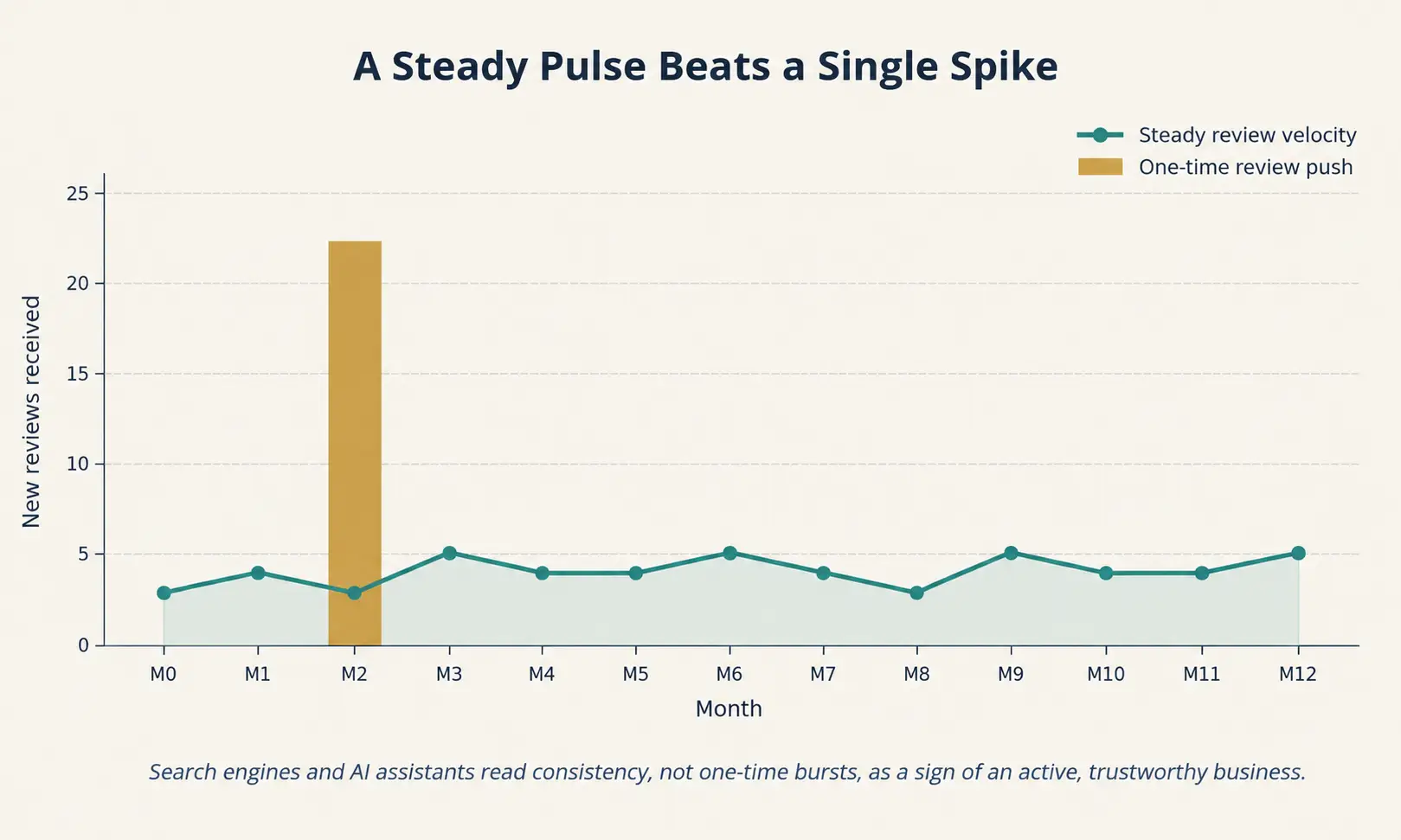
Aim for steady, recent and specific. Ten detailed reviews this quarter can do more than a hundred vague ones from last year, because readers and AI summaries both favour fresh, concrete detail.
Where Can AI Help With Reviews and Where Should You Not Trust It
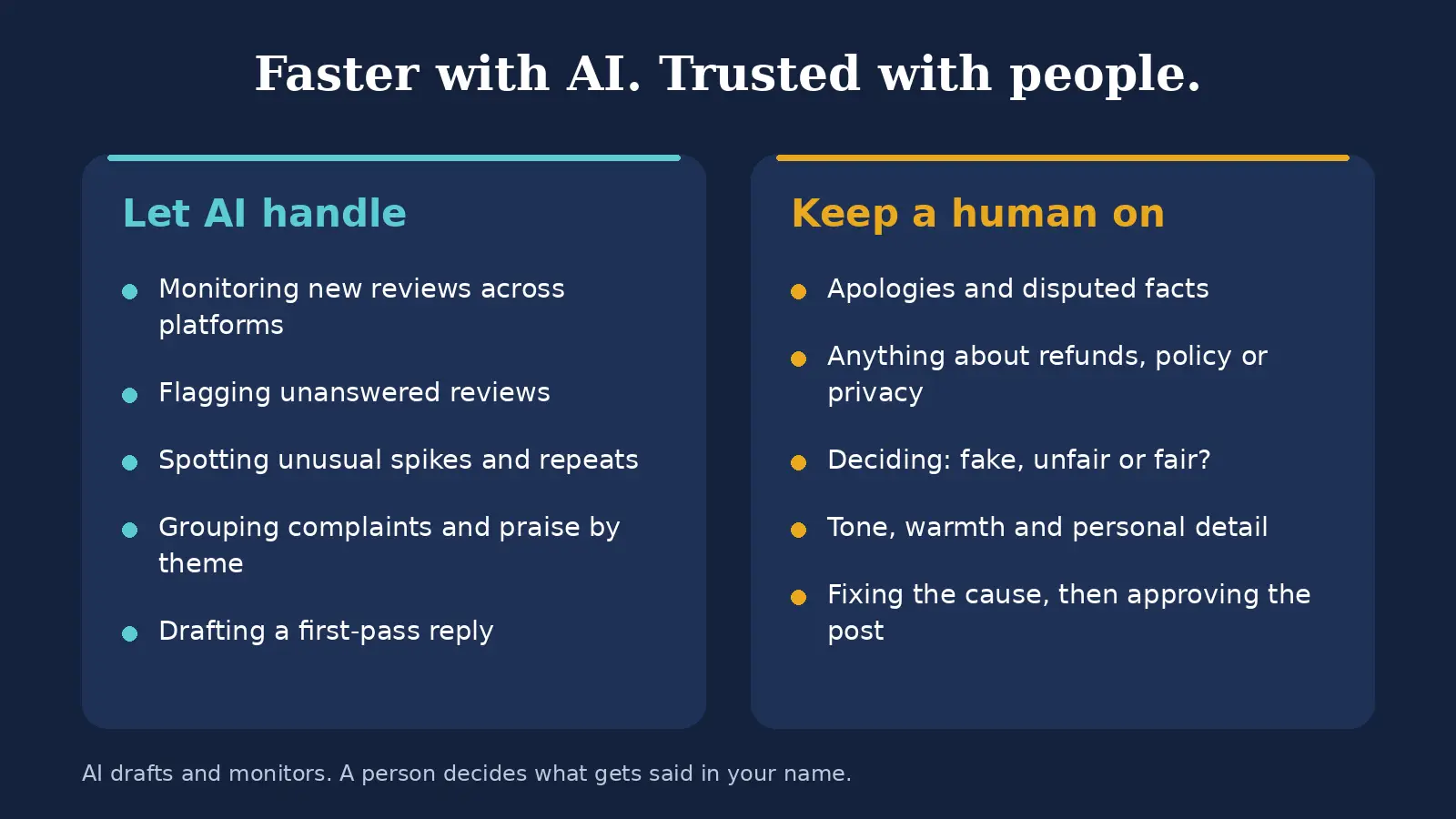
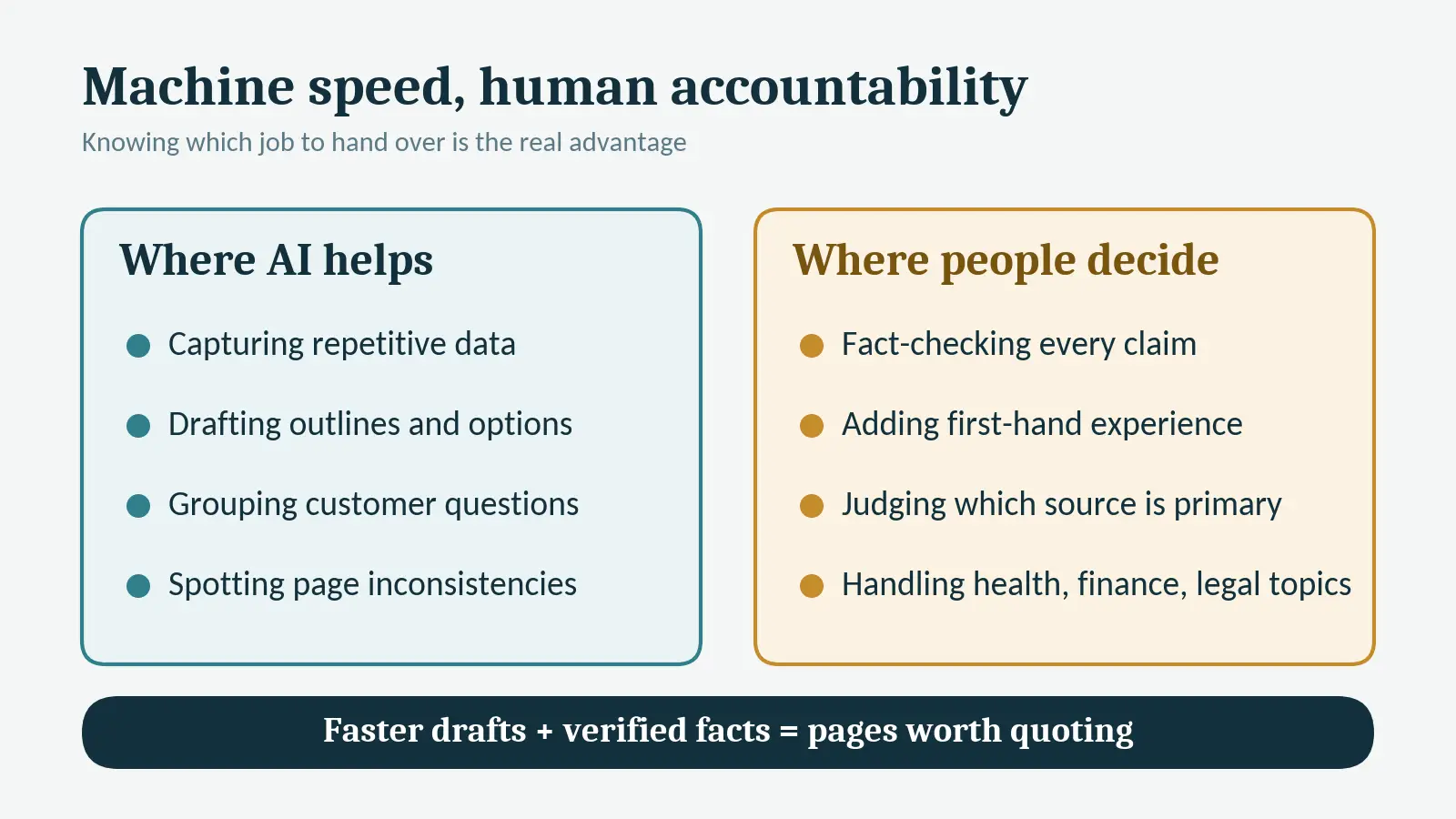
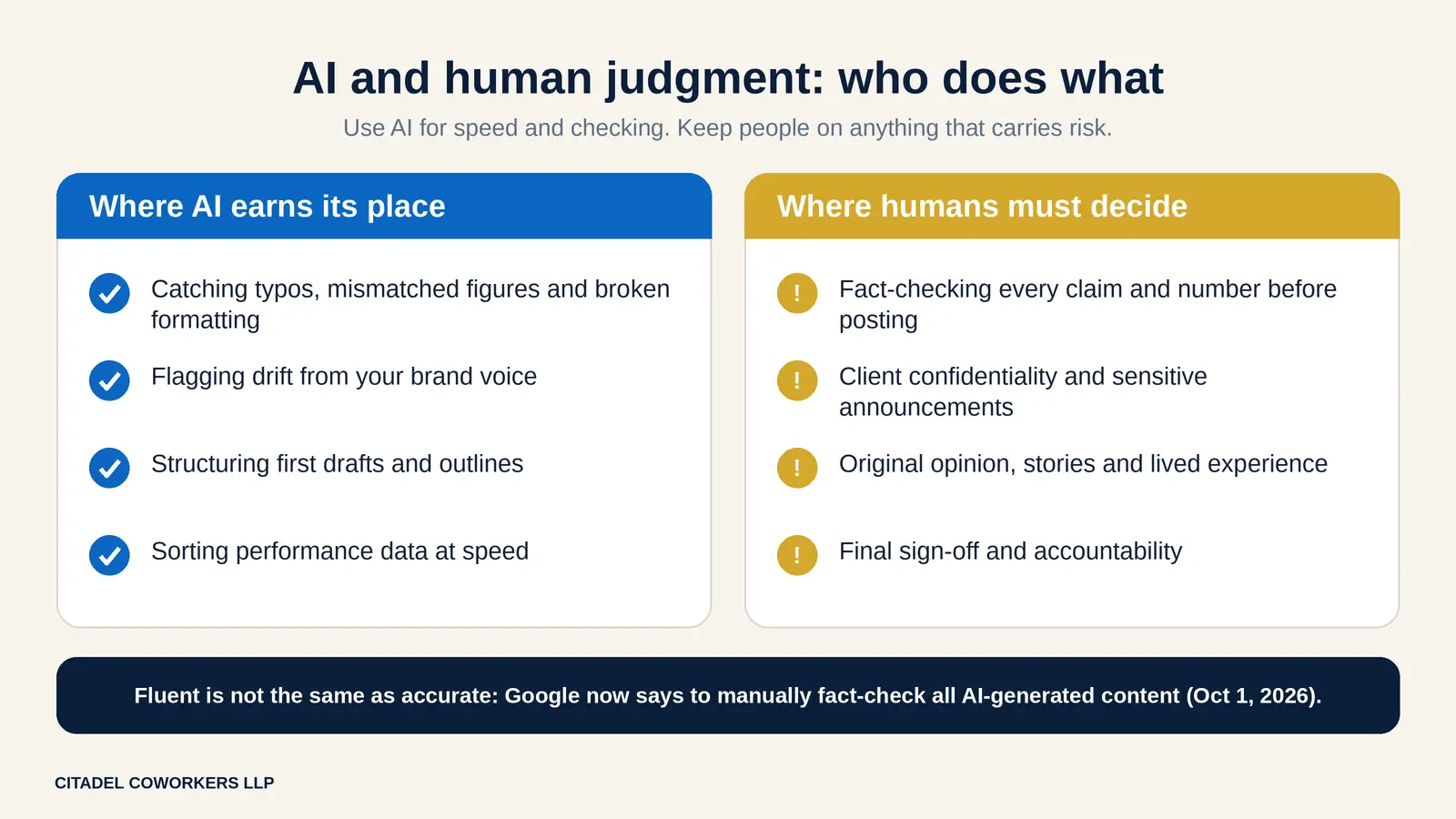
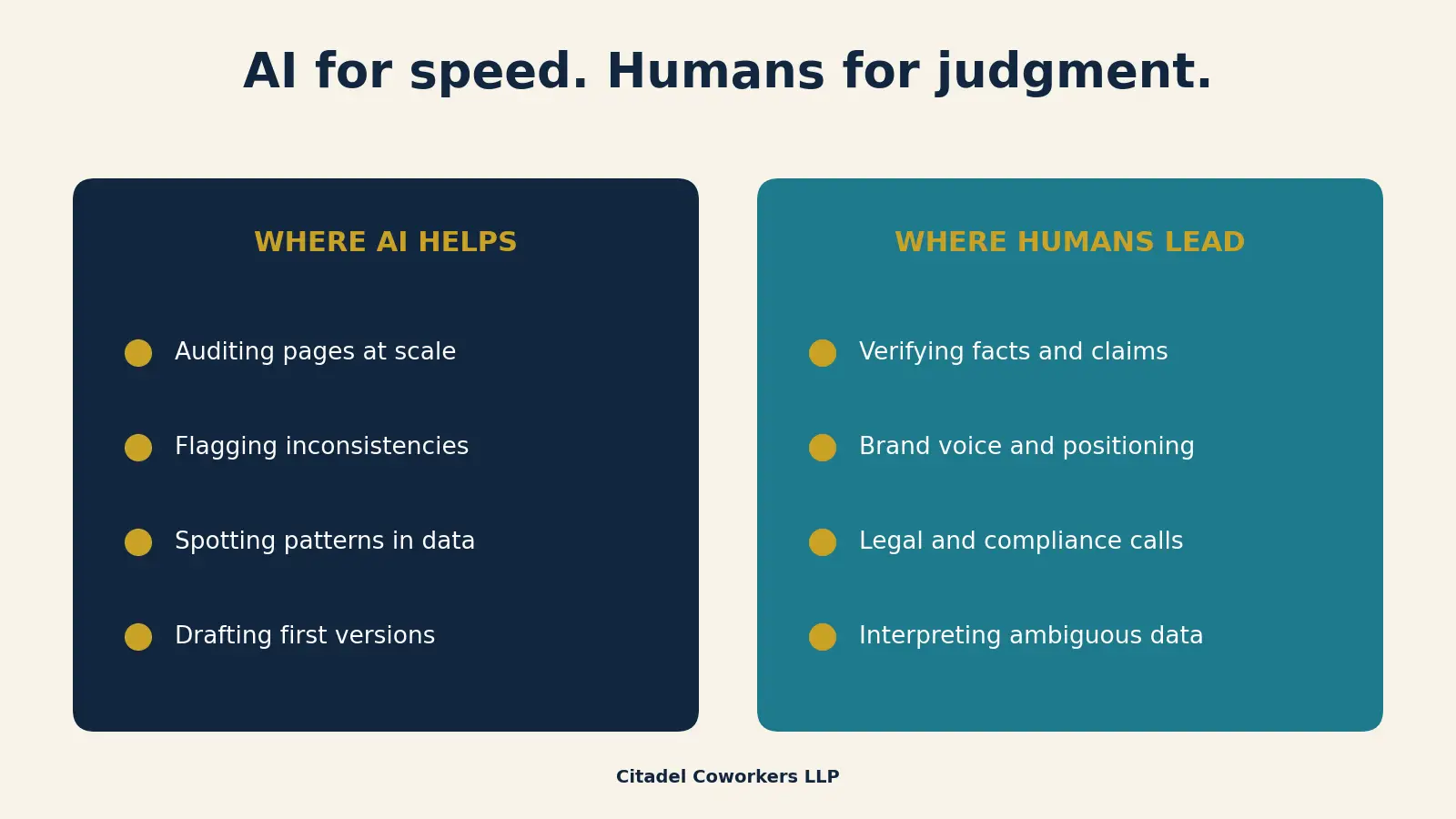
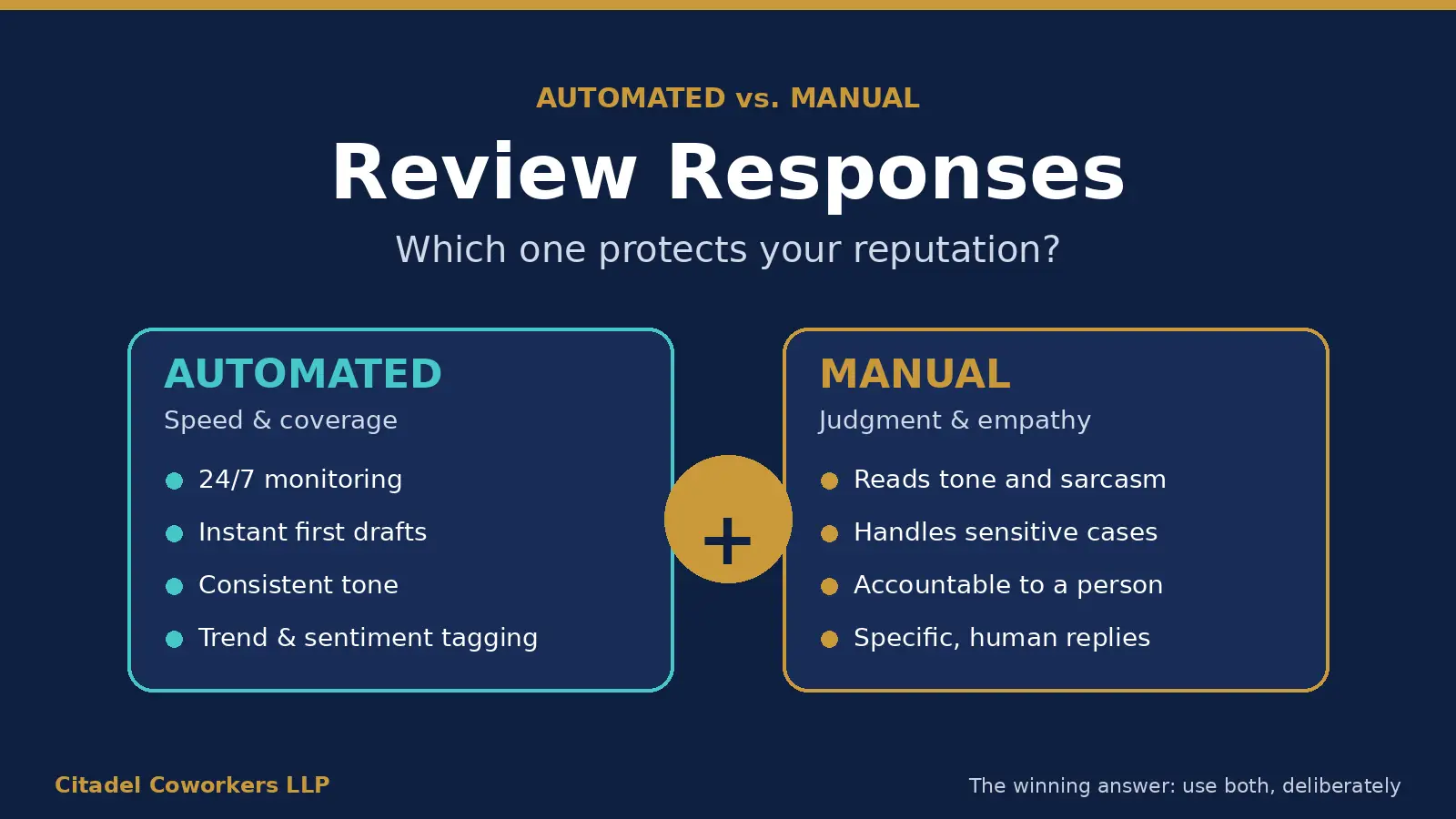
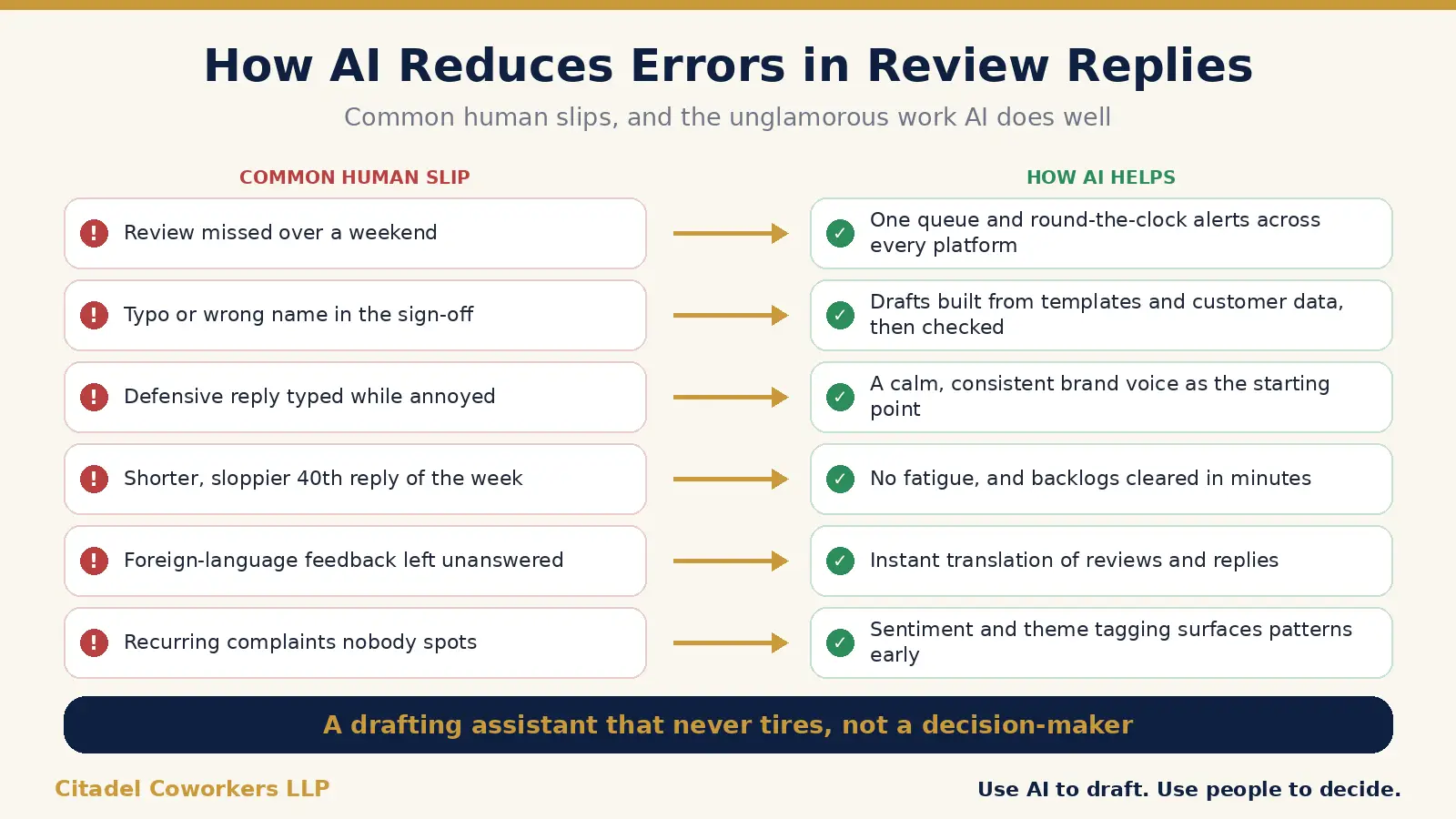
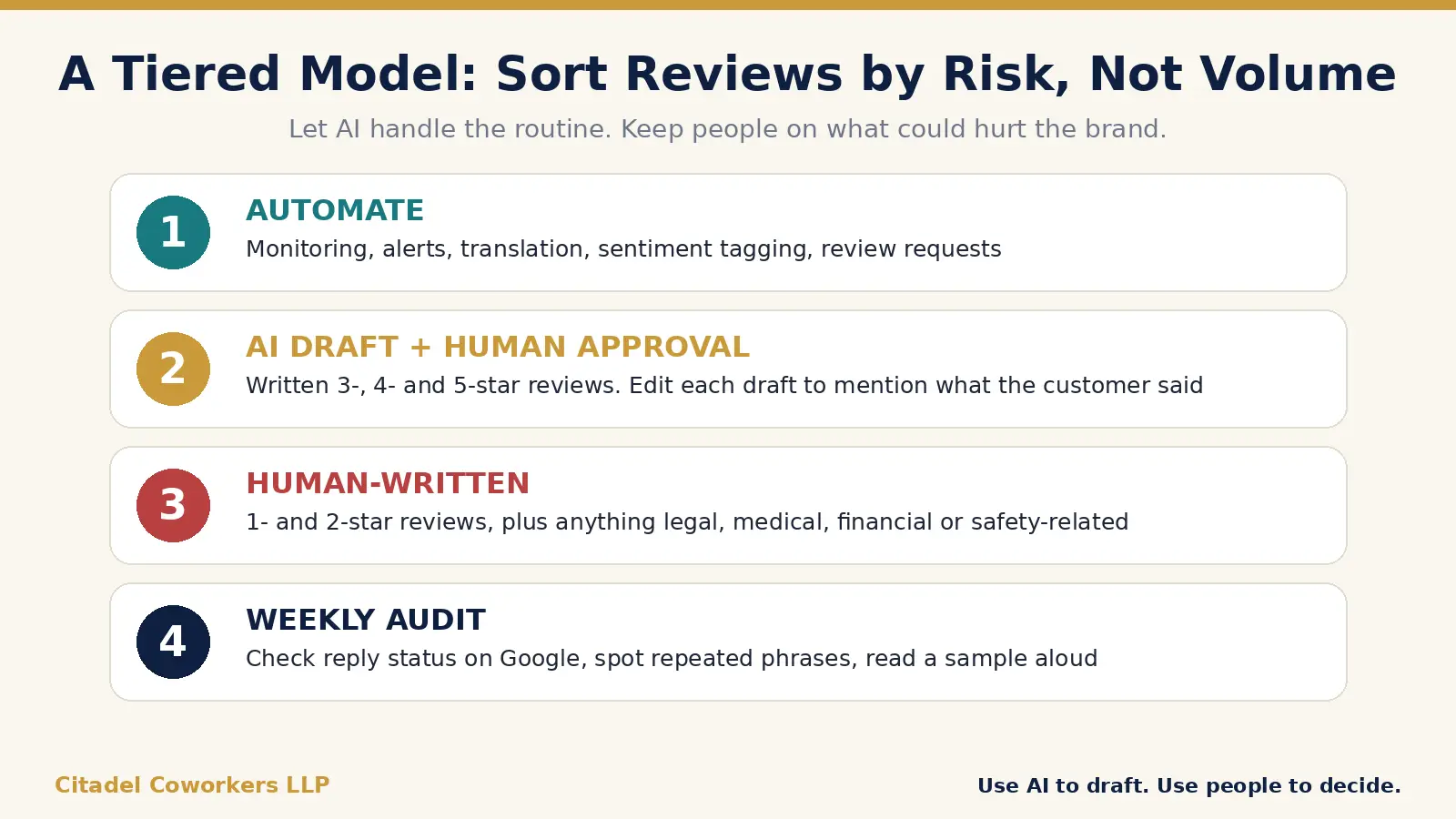
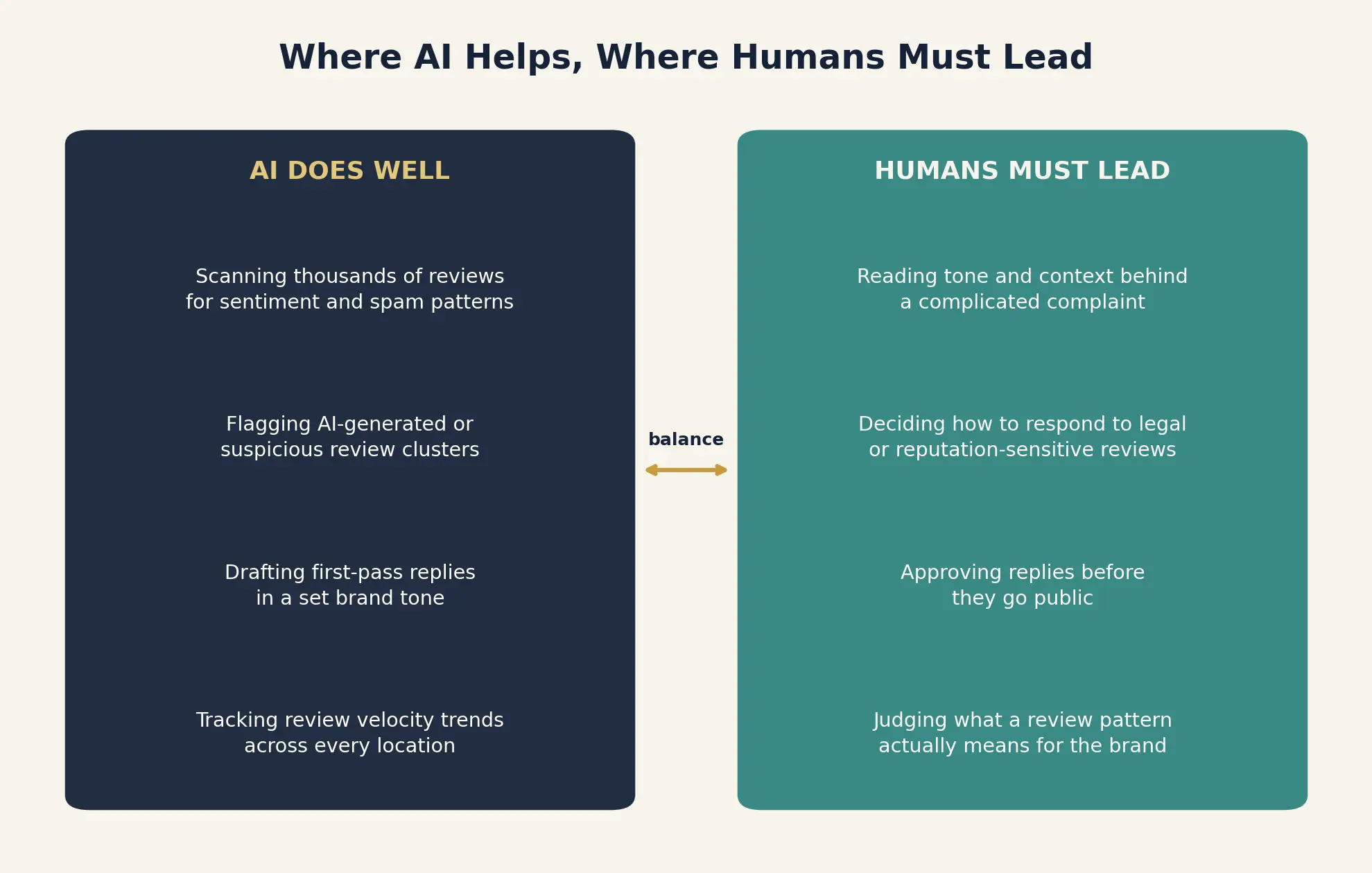
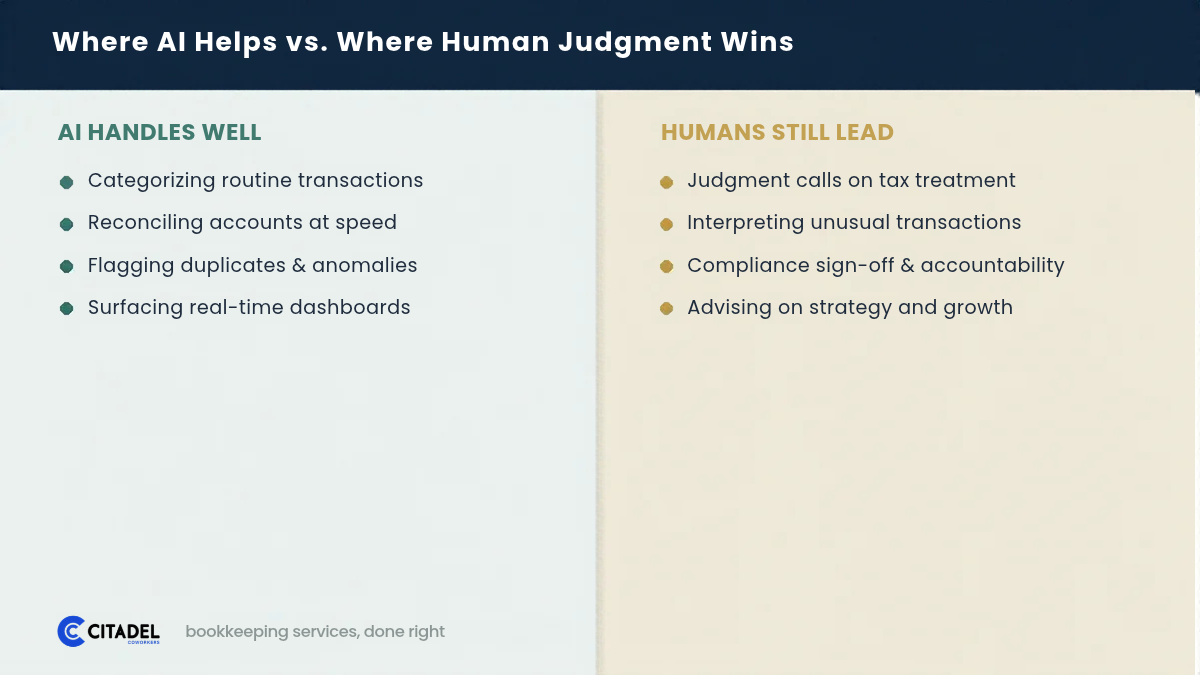
AI has become the quiet assistant of the review desk. It excels at volume work, which is exactly where human error creeps in. It is reliably useful for three jobs:
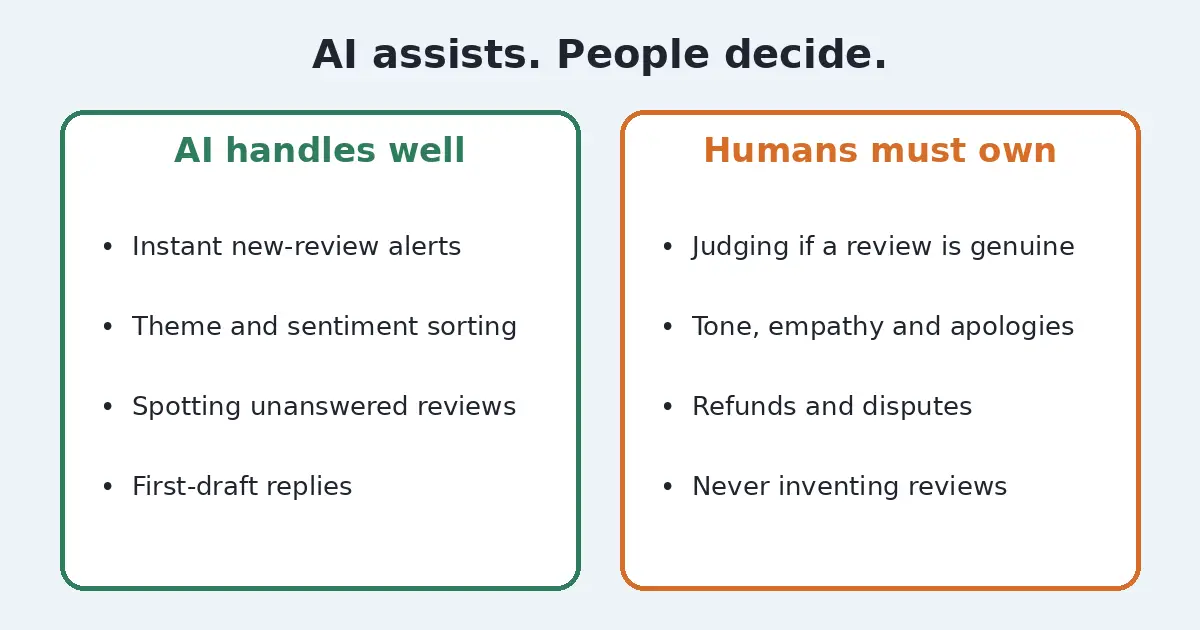
Alerts: flagging a new one-star review within minutes instead of days.- Sorting: grouping hundreds of reviews into themes such as wait times or staff attitude.
- Consistency: catching unanswered reviews across several locations, so nothing slips through.
The limits are just as important. AI-generated fake reviews are explicitly covered by the FTC’s consumer review rule, which took effect on 21 October 2024 and carries civil penalties above $50,000 per violation. Confirm the current figure with the FTC, but the message is simple: never use AI to invent praise.
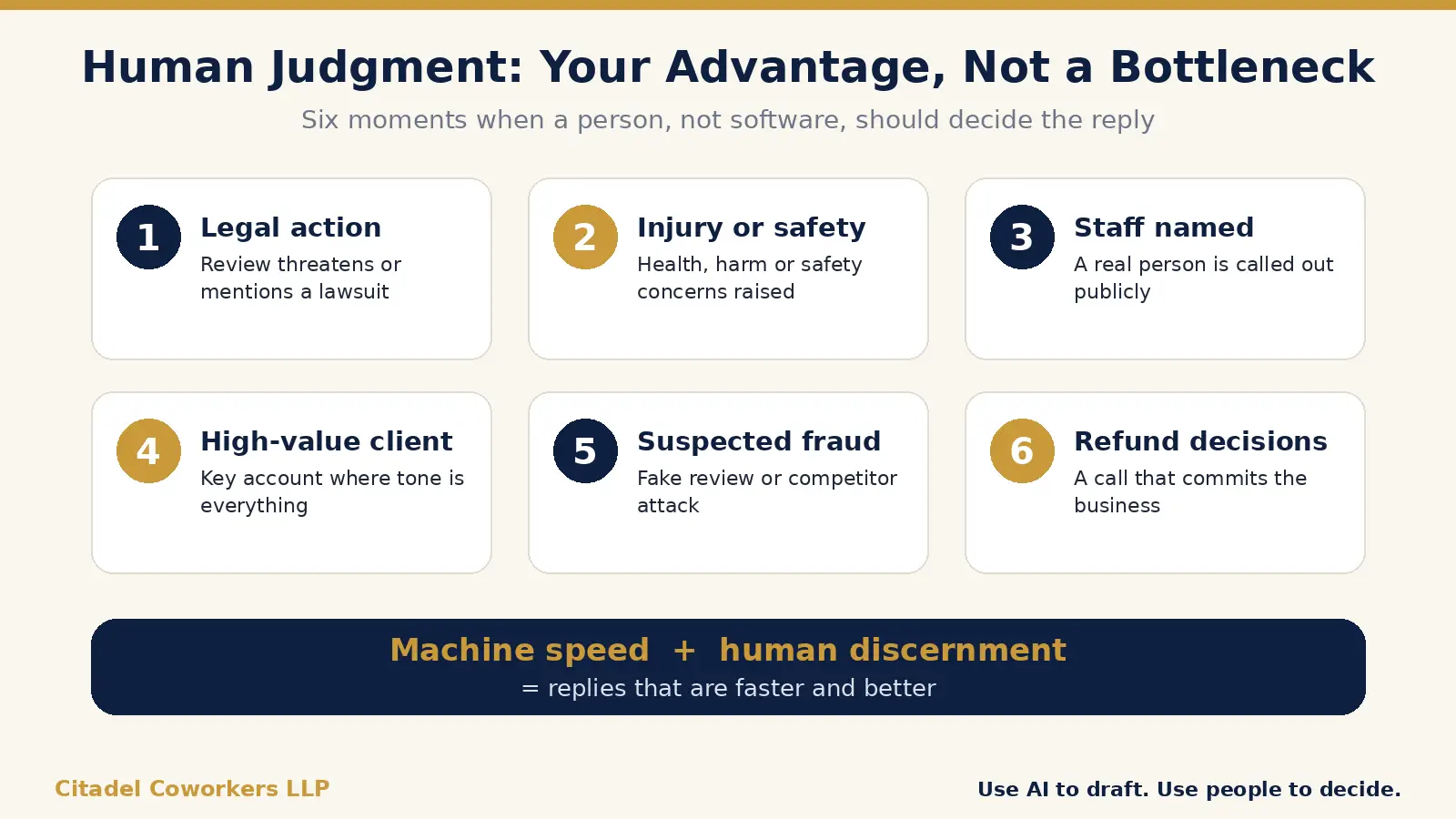
AI-drafted replies can also sound confident and be wrong. They may promise refunds that do not exist, misread sarcasm, or answer a complaint about safety or privacy with a template.
Human judgement decides what a machine cannot: whether a review is genuine, whether to offer compensation, how to apologise, and when to escalate. Customers can tell when a real person replied. Treat that as a business advantage, not a limitation. Let AI draft and sort; let people decide and sign.
How Should You Respond to a Negative or Suspicious Review
Not every bad review is fake, and not every fake is obvious. Start with two questions: does this person appear in your records, and is the event they describe plausible?
If the review looks genuine, reply publicly, briefly and with empathy. Offer to continue the conversation offline, and never reveal private details. Handled calmly, one critical review becomes a small chapter in your online reputation management story rather than the headline.
If it looks suspicious, report it through the platform’s own tools and keep screenshots. Do not retaliate, and do not pay anyone for removal. The FTC rule also targets review suppression, so avoid threatening reviewers or gating who may post.
What Does a Simple Review Routine Look Like on Both Platforms
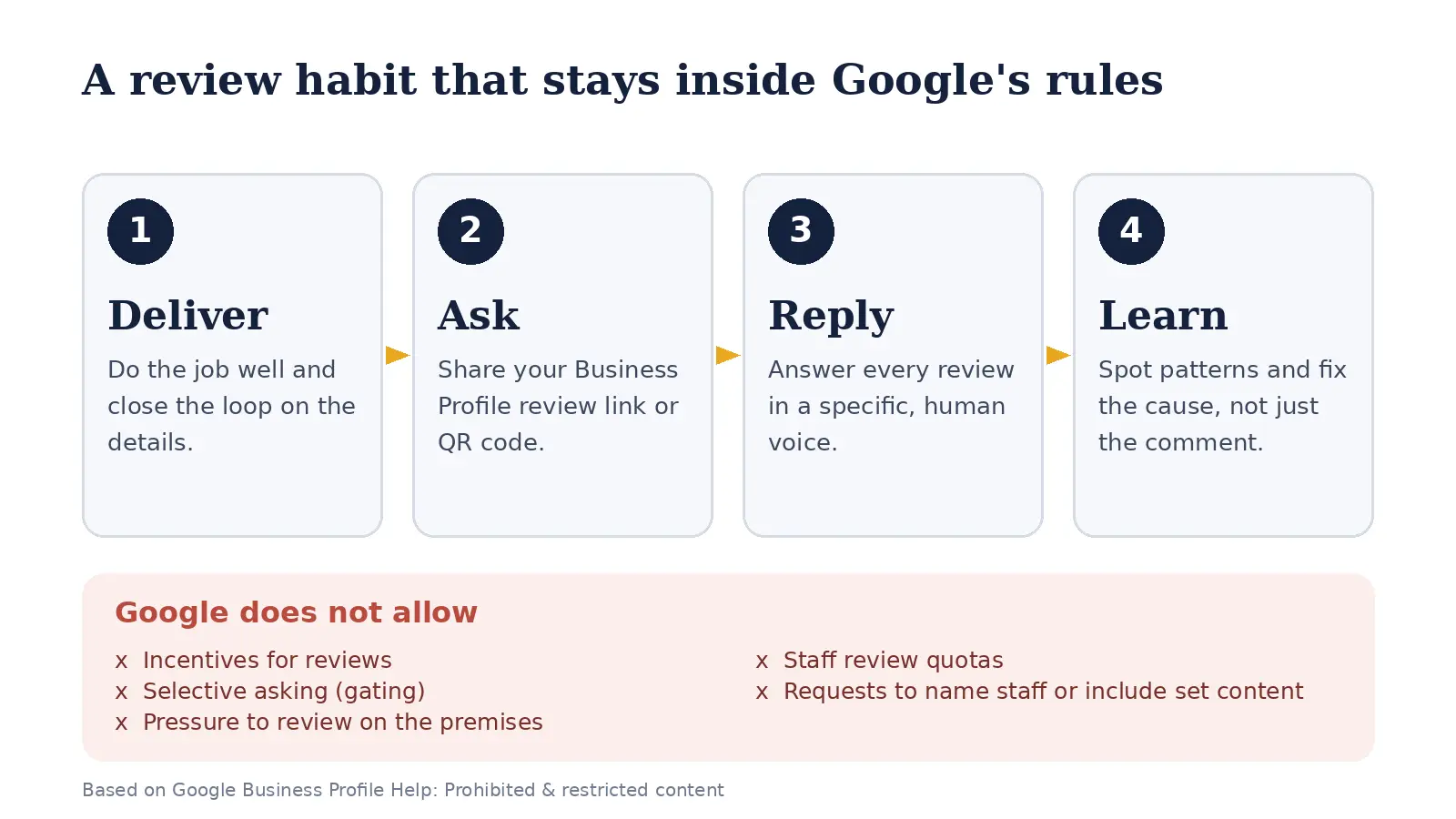
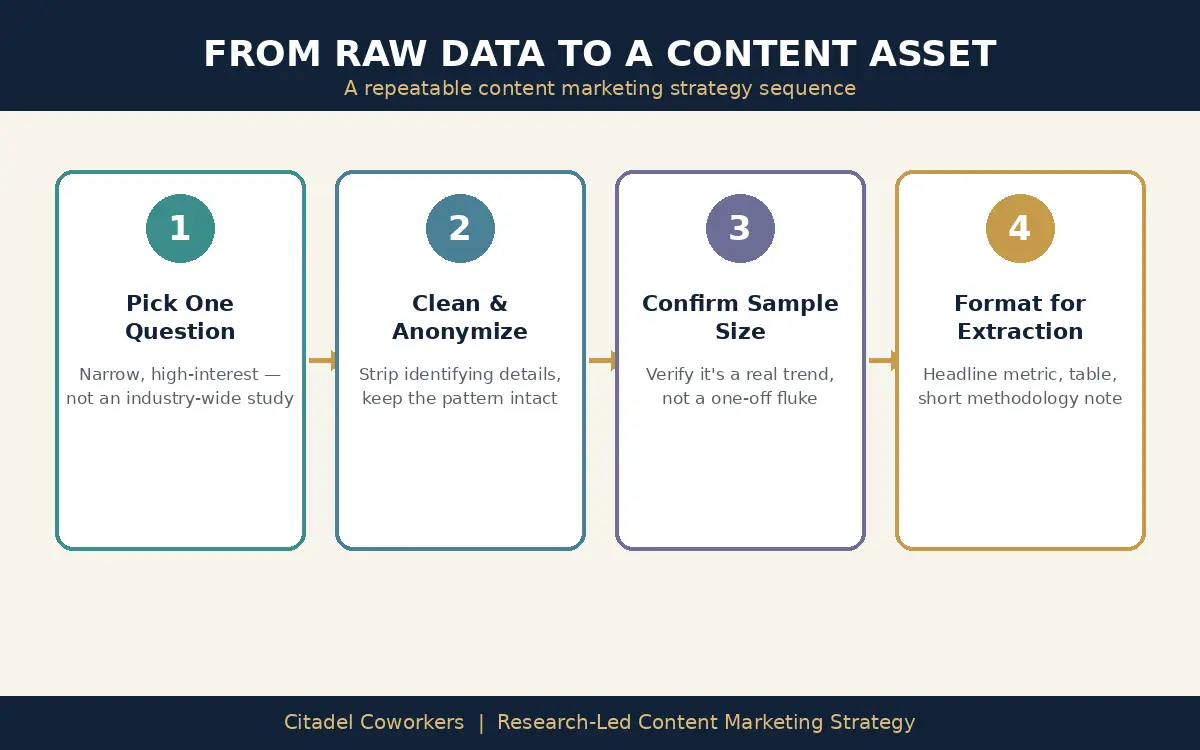
Good online reviews management is less about tools than habit. Four steps cover most of it:
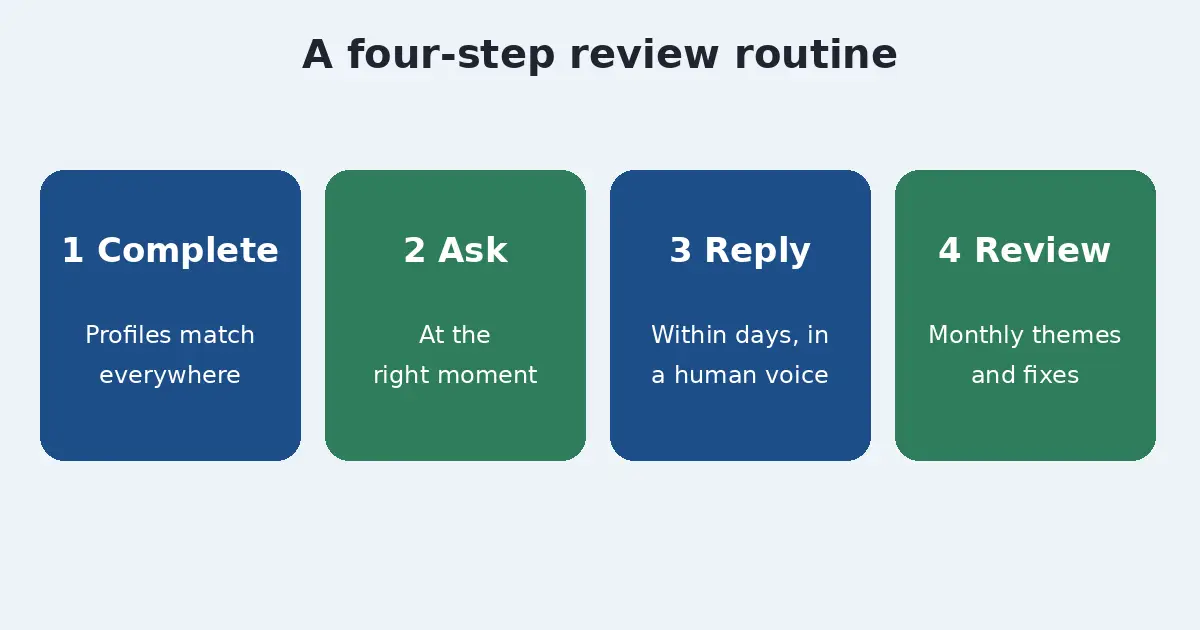
- Complete your profiles. Keep name, address, hours and categories identical on Google and, where relevant, Yelp.
- Ask at the right moment. On Google, invite happy customers right after good service. On Yelp, stay within its guidelines.
- Reply within days. Use a human voice. Thank, acknowledge, resolve. Never argue in public.
- Review monthly. Look for repeated themes and fix the operational cause, not only the comment.
Try one small experiment tonight. Search your own business on a phone, as a stranger would. What the first screen shows is your real storefront. Then note what you would want to know before booking, and fix any gap you find this very week.
What Sets Citadel Coworkers Apart When Your Reputation Is on the Line
Owners rarely need more dashboards. They need someone who connects what customers say to what the business does next. Citadel Coworkers approaches reputation work as a practical discipline: understand where your customers actually look, then build a steady rhythm around it.
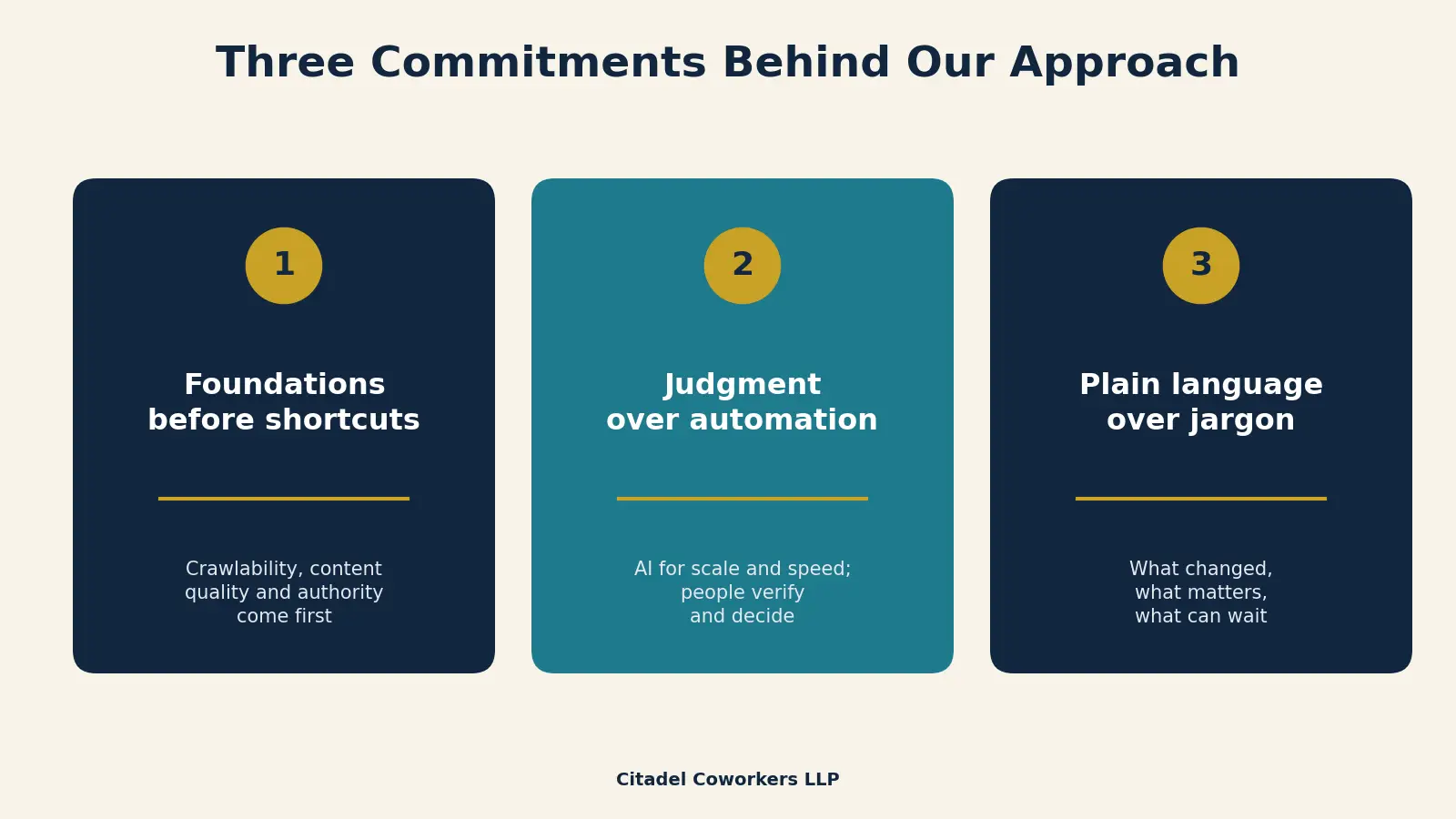
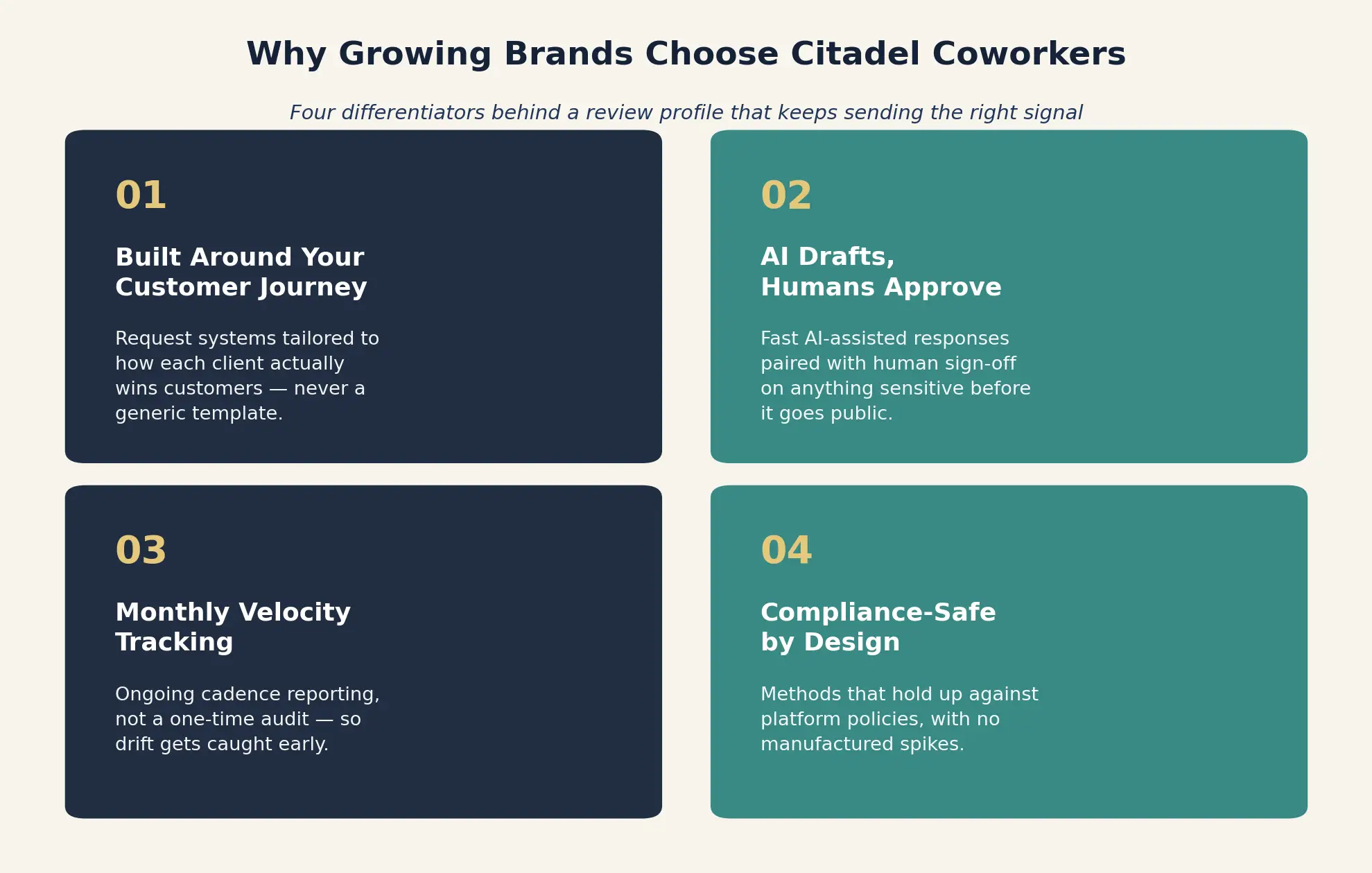
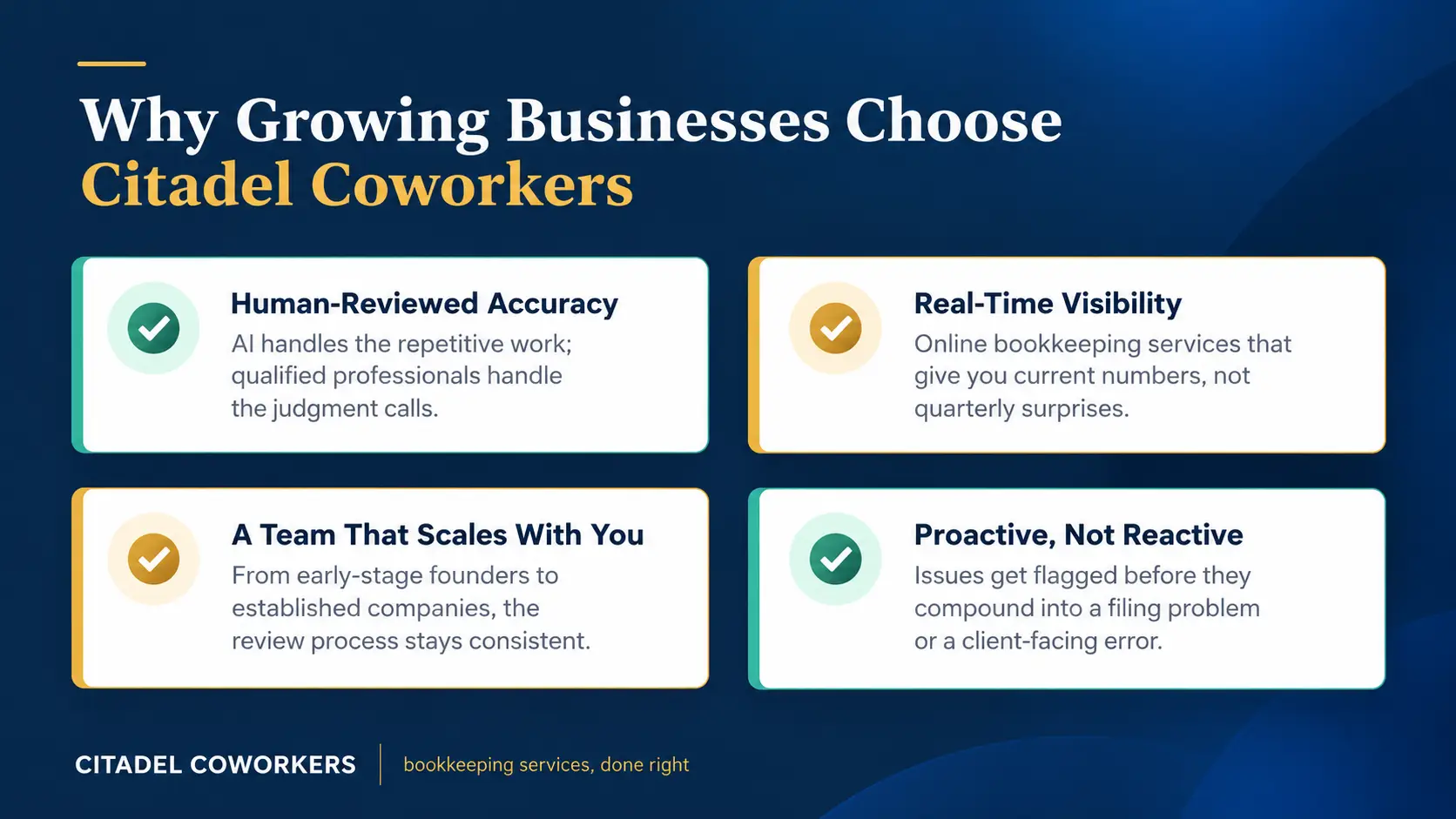
That approach rests on three commitments. Advice follows your customers, not a favourite platform. Technology handles the repetitive work while people handle tone, disputes and strategy. And nothing relies on shortcuts that put your standing at legal or reputational risk.
Businesses exploring ORM services tend to value clarity over jargon, and reports they can read in minutes. If that sounds like the partnership you want, you are welcome to explore how we would map your platforms.
We also believe in teaching as we go. Each engagement should leave your team better able to read its own feedback, spot patterns early and respond with confidence, whether or not AI tools are part of the workflow.
Your Next Customer Is Already Reading. What Will They Find
Every owner faces that Google-or-Yelp question sooner or later, and the answer lives with your customers, not with the platforms. Decide this week where yours actually look, give that profile your best effort, and let people guide the AI rather than the reverse.
Strong online reputation management is built from small, repeated habits, not one-off campaigns. A reply written this morning, a theme spotted this month and a profile corrected this quarter add up to trust that no advert can buy. Customers will keep reading before they visit, and AI tools will keep summarising what they read. The owners who thrive will stay present, honest and human while technology handles the repetitive work in the background.
When you are ready to talk it through, Citadel Coworkers is a conversation away.